
Imagine waking up one morning, checking your bank account, and realizing you don’t owe a single dollar to anyone. No credit card bills, no student loans, no car payments. Just freedom. For millions of people in 2026, that dream feels impossible. The average American household carries over $101,000 in debt, according to the Federal Reserve. But here’s the good news: with the right debt repayment plan, you can beat those numbers faster than you think. I’ve seen friends, family, and even myself climb out of five-figure holes. It’s not magic—it’s a step-by-step system. In this guide, I’ll share the exact 7 steps that worked for us, updated for 2026 with the latest tools and strategies. No fluff, no shame, just a clear path to a debt-free life.
Step 1: List Every Single Debt You Owe
You can’t fix what you don’t fully see. The first step in any debt repayment plan is to gather all your statements. Write down every debt: credit cards, student loans, personal loans, medical bills, even that $50 you owe your sister. Then note the balance, minimum monthly payment, and interest rate for each. This exercise might feel scary, but it’s like turning on a light in a dark room. You realize the monsters aren’t as big as you thought.
My friend Carlos did this in early 2026. He had been avoiding his credit card statements for months. When he finally listed everything, he discovered three cards with high interest and one forgotten store card charging 29.99%. That awareness alone helped him prioritize immediately. Use a simple spreadsheet or a notebook. The key is to make it real and tangible. Once you have the list, sort it in a way that makes sense for your motivation style—we'll cover that in Step 2.
Step 2: Pick Your Payoff Strategy – Snowball or Avalanche
Now you need a battle plan. There are two popular methods for a debt repayment plan: the debt snowball and the debt avalanche. Both work, but they appeal to different personalities. The snowball method (made famous by Dave Ramsey) says to pay off debts from smallest to largest balance, regardless of interest rate. The avalanche method says to focus on the highest interest rate first to save the most money over time.

Which one should you choose? Honestly, the best strategy is the one you'll stick with. I used the snowball method when I had four credit cards maxed out in my twenties. Paying off that first $300 card gave me such a rush that I bulldozed through the rest. But my cousin Maria, a math teacher, used the avalanche method and saved over $2,000 in interest. In 2026, there are even hybrid approaches: you could knock out one small debt quickly for a win, then switch to avalanche. The important thing is to start today.
Snowball vs. Avalanche: A Quick Example
Snowball order: Medical bill ($500), Credit Card A ($2,000), Car Loan ($8,000)
Avalanche order: Credit Card A (22% APR), Car Loan (7% APR), Medical bill (0% APR)
Pick your path, then commit all extra cash to that first target while paying minimums on the rest.
Step 3: Build a Budget That Actually Feels Good
Budgeting sounds like a diet—restrictive and miserable. But a debt repayment plan budget can be flexible and even fun if you design it around your real life. Start by tracking your spending for two weeks. Use an app or your bank statements to categorize everything: rent, groceries, streaming, coffee runs. Then ask yourself: “What can I trim without feeling punished?”
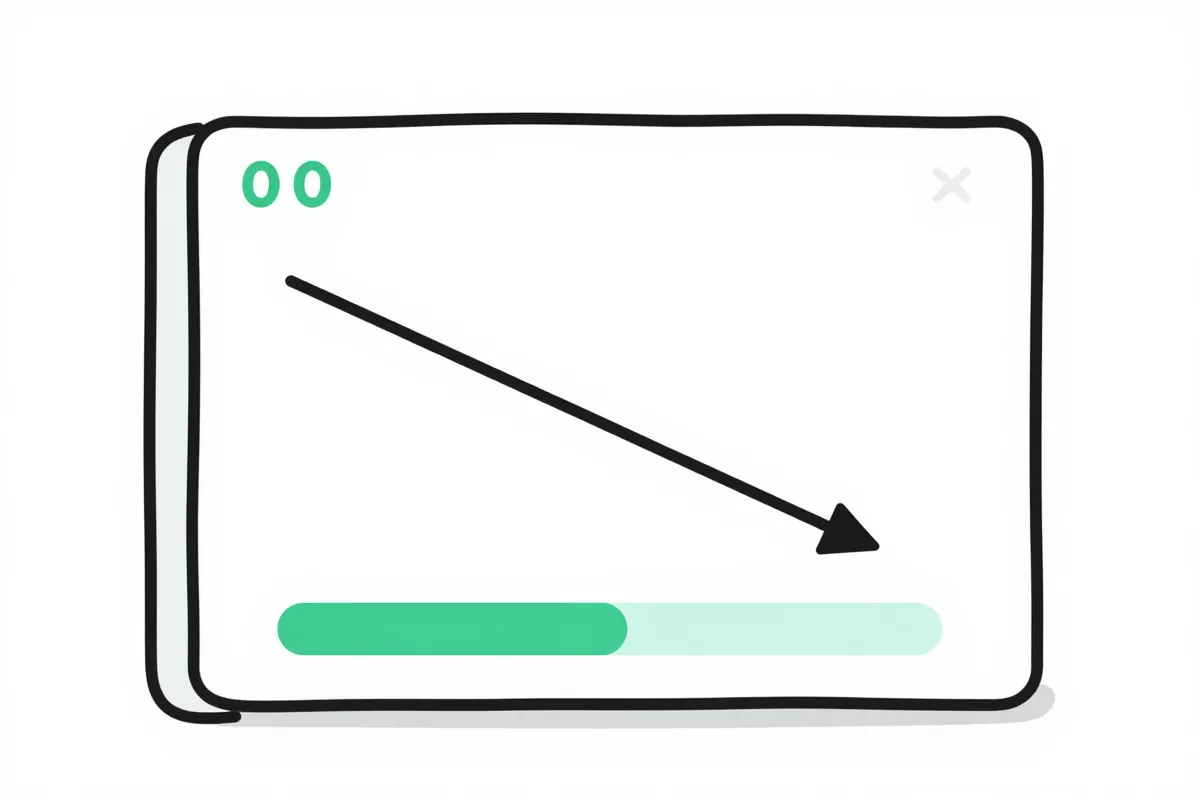
In 2026, many people use zero-based budgeting where every dollar has a job. Let’s say you bring in $4,000 a month. After fixed expenses ($2,200) and minimum debt payments ($600), you might have $1,200 left. Instead of letting it disappear into random spending, give it a purpose: $400 for debt snowball, $300 for groceries, $200 for fun, $100 for savings, $200 for a sinking fund. This way, your debt repayment feels automatic, not sacrificial.
I helped my neighbor, a single mom named Tasha, create a budget that included a small “joy fund” for coffee with friends. She paid off $9,000 in 14 months because she never felt deprived. Your budget is a tool, not a cage.
Step 4: Increase Your Income – Even by $200 a Month
You can only cut expenses so far before life feels miserable. That’s why the fourth step of a smart debt repayment plan is to bring in more money. An extra $200 to $500 a month can slash your repayment time by years. The gig economy in 2026 is booming with flexible options: food delivery, freelance writing, virtual assistant work, tutoring online, or selling handcrafted items.

When I was deep in debt, I started walking dogs through an app on weekends. It brought in about $350 a month, and I got exercise too. A friend of mine turned her hobby of restoring old furniture into a steady side hustle that covered her entire car payment. What skills do you already have? Can you drive, teach, organize, or create? Even a temporary part-time job for six months can make a massive dent.
Put every extra dollar toward your target debt. Do not let this extra income inflate your lifestyle—keep your eyes on the prize.
Step 5: Call Your Creditors and Negotiate
Most people skip this step because it feels awkward. But here’s a secret: creditors want you to pay, and they’re often willing to lower your interest rate or waive fees if you just ask. In 2026, with many people carrying high-interest debt from rising costs, a simple phone call can save you hundreds. Pick up the phone, be polite, and say something like: “I’ve been a customer for X years. I’m committed to paying off my balance, but the interest rate is making it hard. Is there any way you could lower it?”
My brother-in-law did this in January 2026 and got his credit card APR reduced from 24% to 16%—just by asking. If the first representative says no, ask for a supervisor or try again next week. You can also inquire about hardship programs if you’ve lost income. For medical bills, hospitals often offer 0% payment plans or even discounts for lump sums. Negotiation is a powerful tool in your debt repayment plan.
Step 6: Automate Payments and Track Progress Weekly
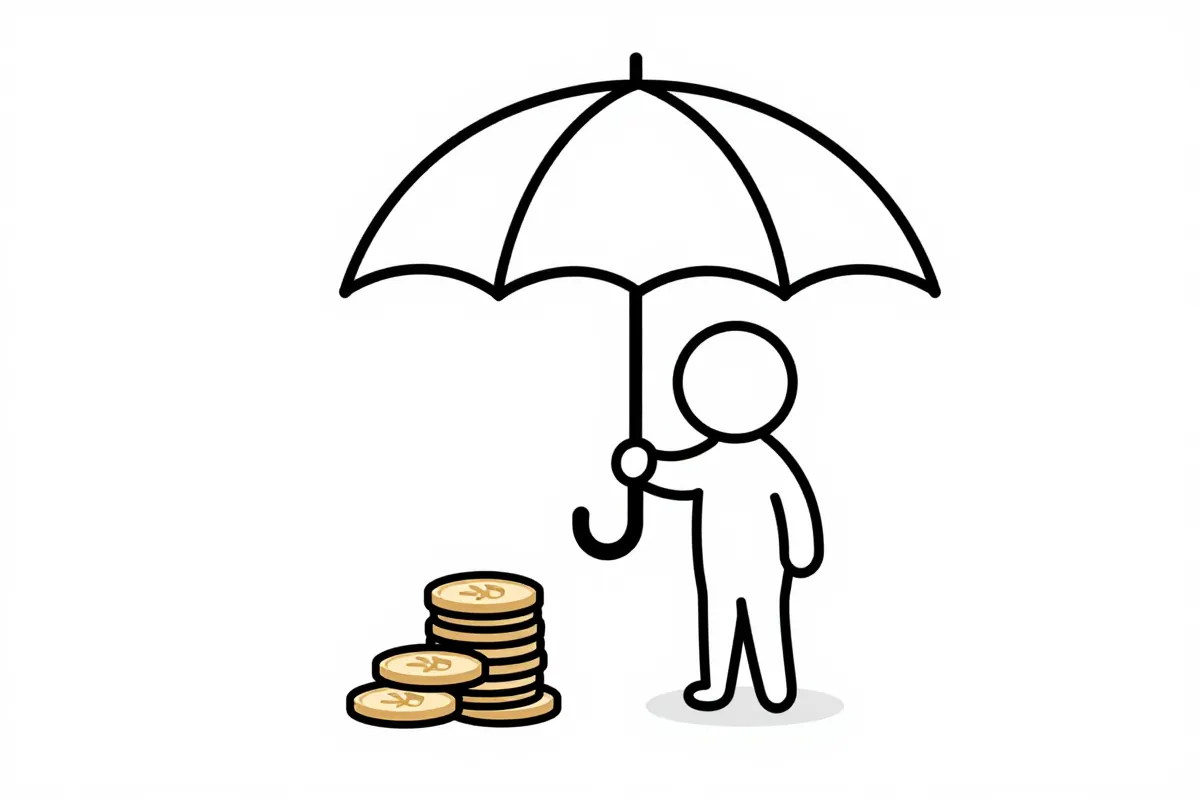
Willpower is overrated. The most successful debt-crushers use automation to keep their plan on track. Set up automatic transfers for your minimum payments on payday, then manually send the extra snowball payment a day later. This way, you never miss a due date, which protects your credit score.
But automation alone isn’t enough—you need visible progress. Create a simple debt tracker. It can be a printable chart, a spreadsheet, or an app. I used a hand-drawn thermometer on my fridge for each debt. Every time I colored in a section, I felt a surge of motivation. In 2026, there are great apps like Debt Payoff Planner that make this fun. Review your numbers every Sunday. Seeing the balances shrink week after week is addictive in the best way. Celebrate when you hit 25%, 50%, 75% paid off.
Step 7: Stay Motivated and When You’re Done—Stay Debt-Free
The hardest part of any debt repayment plan isn’t the math; it’s staying consistent when life gets busy or boring. You will have months where an emergency sets you back. That’s normal. The key is to get back on track immediately, not wait for “next month.” Find an accountability partner—someone who won’t judge you but will cheer you on. Join online communities like r/debtfree on Reddit. Read stories of real people who became debt-free in 2026.
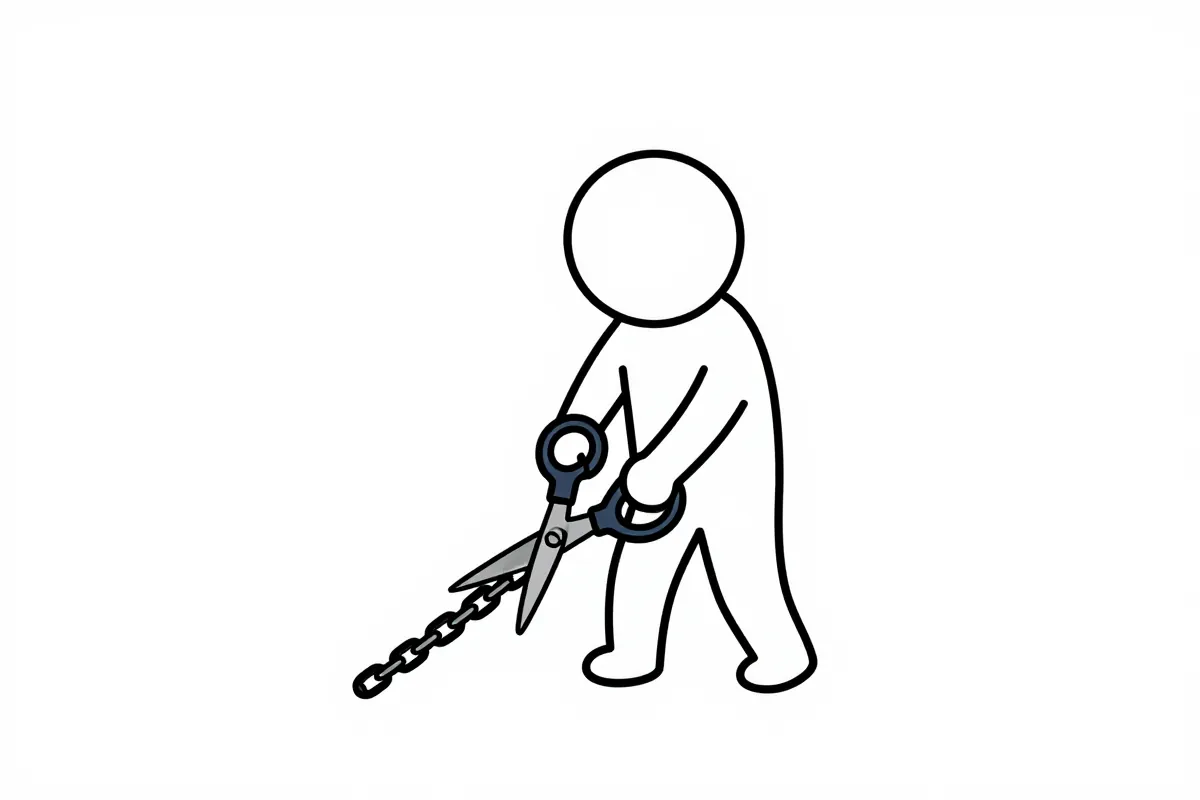
When you make that final payment, don’t revert to old habits. Keep a small emergency fund so you never rely on credit again. Use the momentum to build wealth. My husband and I paid off our last student loan in February 2026, and we literally danced in the kitchen. Now that money goes toward an investment account. That feeling is worth every skipped takeout meal.
This 7-step debt repayment plan has transformed thousands of lives, and it can change yours too. Start with Step 1 tonight. The road to financial freedom is paved with small, consistent actions. You’ve got this.
“I used to lose sleep over my $42,000 debt. But after following a similar plan, I’m now debt-free for three months and already have a $1,000 emergency fund. If I can do it, anyone can.” – Jessica, 2026 Debt-Free Graduate
Sources
- NerdWallet – How to Create a Debt Repayment Plan
- Experian – How to Get Out of Debt: 7 Steps
- Federal Reserve – Consumer Credit Outstanding


